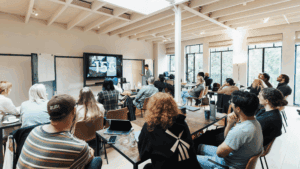
Working with people in your organization can be a rollercoaster. One moment you’re energized by collaboration, and the next you’re bogged down by missed deadlines, unclear communication, and low morale. It’s frustrating when things don’t get done, when motivation wanes, and when the spark that drives progress seems to flicker out.
This is especially true in schools and healthcare organizations, where the stakes are high and the pace is relentless. In schools, educators may feel overwhelmed by shifting priorities, lack of support, or siloed departments that make collaboration difficult. In healthcare, frontline staff often face burnout, miscommunication across teams, and a constant pressure to perform—leaving little room for reflection or connection.
But behind every stalled project or disengaged team member is a person with unique experiences, values, and needs. When we take the time to understand what makes people who they are—what drives them, what challenges them, and how they prefer to communicate—we begin to shift the dynamic. We stop managing tasks and start cultivating relationships.
Creating environments where people feel seen and heard is the key to unlocking productivity. In a school, this might mean giving teachers space to co-design curriculum with their peers. In a hospital, it could mean creating regular check-ins where nurses and physicians can voice concerns and share ideas. When individuals feel valued, they’re more likely to contribute, collaborate, and care. Communication opens up, trust builds, and teams begin to thrive.
The path forward isn’t paved with pressure—it’s built on empathy, curiosity, and the willingness to meet people where they are. That’s how we move from frustration to fulfillment, and from stagnation to success.